TMJ RESET

TMJ Reset is a specialized TMJ and bite rehabilitation program focused on identifying the root cause of dysfunction and restoring joint balance using advanced diagnostics and interdisciplinary treatment.

We don’t guess.
 We measure.

  • Advanced TMJ Diagnosis & Treatment — Not Just Another Night Guard
  • At TMJ Reset, every treatment plan starts with objective data and a Neuromuscular approach

What Makes TMJ Reset Different

Most TMJ treatments begin with appliances or exercises — often without knowing why the joint is failing.

At TMJ Reset, every treatment plan starts with objective data.

We use advanced diagnostic technology to evaluate:

Joint health

Muscle function

Bite stability

Functional movement patterns

This allows us to deliver targeted, staged treatment — not trial-and-error care.

Why US

  • Most clinics treat symptoms

  • We diagnose the root cause using biometric analysis

  • Most splints are generic

  • Ours are based on jaw function + muscle activity + joint health

Our Diagnostic Technology

Joint Vibration Analysis (JVA)

A non-invasive test that detects internal joint dysfunction by analyzing joint sounds during movement.
JVA helps identify:
  • Disc displacement
  • Joint degeneration
  • Inflammation
  • Structural instability

Electromyography (EMG)

Measures muscle activity at rest and during function to identify:
  • Muscle hyperactivity
  • Neuromuscular imbalance
  • Protective muscle guarding

Digital Bite Analysis (T-Scan / Tek Scan)

Analyzes bite timing and force distribution to detect:
  • Occlusal instability
  • Bite interferences
  • Functional overload on the TMJ

Together, these tools allow us to see what cannot be detected by X-rays or scans alone.

Our Treatment Philosophy

Most TMJ treatments focus on managing symptoms rather than identifying the true cause.

Many patients we see have already tried night guards, physiotherapy, or medications. While these approaches may provide temporary relief, they often fail because they do not address how the jaw joints, muscles, and bite function together.

At TMJ Reset, we take a different approach.

We believe TMJ disorders are not just a joint problem — they are a neuromuscular condition involving the coordination of muscles, joints, and occlusion.

Instead of relying on guesswork, we use advanced biometric diagnostics to objectively evaluate jaw function, including:

  • Joint vibration analysis (JVA)

  • Electromyography (EMG)

  • Computerized bite analysis (T-Scan)

  • Ultra-low frequency TENS

This allows us to identify the underlying cause of dysfunction and create a targeted treatment plan.

These decisions are never rushed and are only recommended once joint health and muscle balance are confirmed.

Where You’ll Be Treated

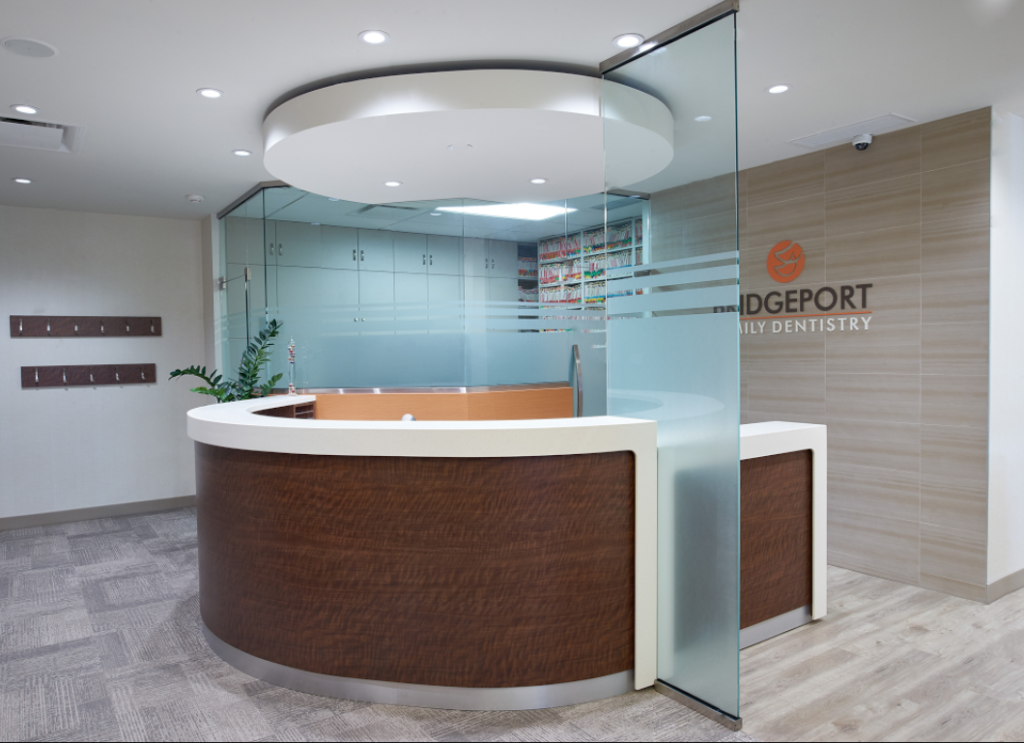
TMJ Reset is located exclusively within T Dot Dental, a boutique clinic in the heart of downtown Toronto.

This focused setting offers:

  • Personalized care
  • A comfortable, boutique environment
  • Convenient access in the downtown core

Who We Treat

TMJ Reset is ideal for patients experiencing:
  • Jaw pain or stiffness
  • Clicking, popping, or locking
  • Headaches or facial pain
  • Neck and shoulder tension
  • Bite discomfort or changes
  • Symptoms that persist despite night guards or physiotherapy alone

About the Clinician

TMJ Reset is led by a dentist with advanced training in neuromuscular dentistry and TMJ diagnostics, mentored by leading TMJ educators across North America

Our clinical protocols are rooted in:

  • Objective diagnostics
  • Neuromuscular principles
  • Interdisciplinary collaboration
  • Long-term functional outcomes

Dr. Suman Singh is a dentist with a focused interest in the diagnosis and management of temporomandibular disorders (TMJ/TMD). He is a member of the International College of Cranio-Mandibular Orthopedics (ICCMO) and the American Academy of Craniofacial Pain (AACP), organizations dedicated to advancing the understanding and treatment of jaw-related conditions.

Dr. Singh’s clinical approach emphasizes identifying the root cause of TMJ symptoms through detailed functional assessment and evidence-informed methods. Rather than relying on generalized or symptom-based treatments, he focuses on understanding how the jaw joints, muscles, and bite interact to influence pain and dysfunction.

His practice incorporates structured diagnostic protocols and individualized treatment planning aimed at improving comfort, function, and long-term stability. Dr. Singh commonly sees patients who have not found relief with previous therapies and is committed to providing clear explanations and personalized care.

Through TMJ Reset, Dr. Singh is building a patient-centered model focused on accurate diagnosis, thoughtful treatment, and measurable outcomes.

Dr. Suman Singh, BDS DDS FICOI

TMJ-Focused Dentist | Member — ICCMO & AACP

Focused on advanced TMJ diagnosis and functional dentistry

Your Next Step

If you’ve been told:

“Your scans look
normal”

“Just wear this night
guard”

“TMJ is something
you have to live with”

…it may be time for a different approach.

TMJ Reset begins with answers — not assumptions.

Frequently Asked Questions

What is TMJ and TMD?

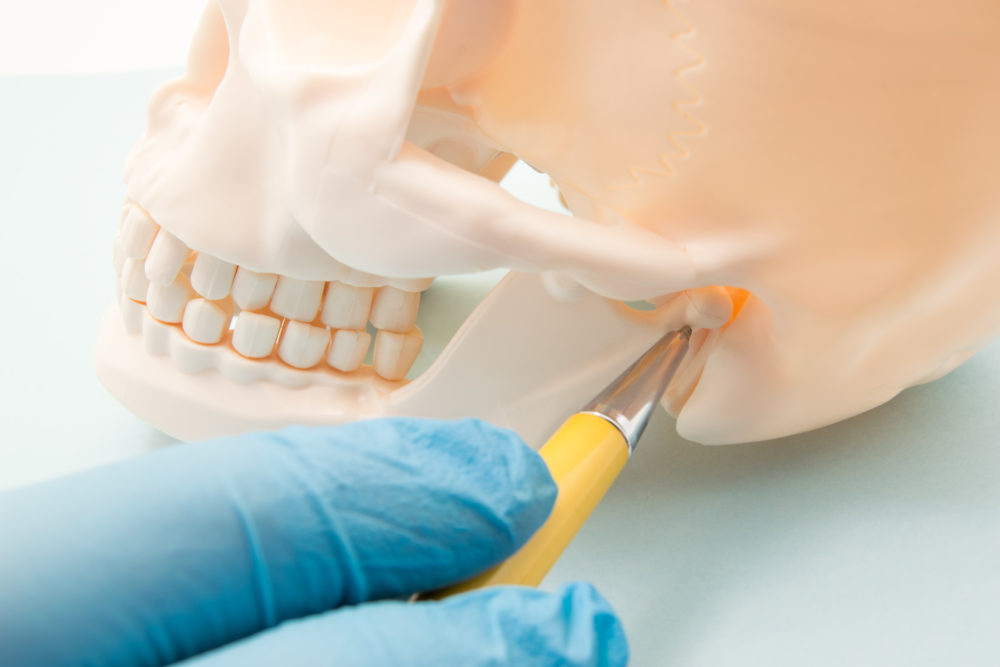
TMJ refers to the temporomandibular joint — the hinge joint connecting the jaw to the skull.
TMD (temporomandibular disorder) describes problems involving the joint, the muscles that move it, or the way the teeth come together.

TMD can affect:

  • Jaw movement
  • Chewing
  • Speech
  • Head, neck, and facial comfort

TMJ disorders can present in many ways, including:

  • Jaw pain or stiffness
  • Clicking, popping, or grinding sounds
  • Locking or limited opening
  • Headaches or migraines
  • Facial pain or pressure
  • Neck and shoulder tension
  • Ear symptoms (fullness, ringing, pain)
  • Bite changes or discomfort

Not all patients experience jaw pain — some only notice headaches or muscle tension.

A night guard may protect teeth but does not always:

  • Stabilize the jaw joint
  • Balance muscle activity
  • Address bite instability

Similarly, physiotherapy can reduce symptoms, but without understanding joint position and bite function, symptoms may return.

TMJ Reset focuses on identifying the cause before choosing the treatment.

TMD can affect:

  • Jaw movement
  • Chewing
  • Speech
  • Head, neck, and facial comfort

We use advanced, objective diagnostic tools to evaluate how your jaw actually functions.

These include:

  • Joint Vibration Analysis (JVA)
  • Electromyography (EMG)
  • Digital bite analysis (T-Scan / Tek Scan)

This data helps us understand:

  • Joint health
  • Muscle balance
  • Bite timing and force
  • Functional stability

Diagnosis is based on measurements — not guesswork.

Joint Vibration Analysis is a non-invasive test that measures vibrations from the jaw joints during movement.

It helps detect:

  • Disc displacement
  • Joint degeneration
  • Inflammation
  • Structural instability

JVA allows us to evaluate internal joint health without radiation.

EMG (electromyography) measures how your jaw and facial muscles function at rest and during movement.

It helps identify:

  • Muscle overactivity
  • Neuromuscular imbalance
  • Protective muscle guarding
  • Asymmetry between sides

Balanced muscles are essential for joint healing and long-term stability.

Digital bite analysis measures how and when your teeth contact — not just where they touch.

This allows us to identify:

  • Bite interferences
  • Force overload on specific teeth
  • Imbalanced bite timing
  • Stress placed on the TMJ

A stable bite is critical for preventing TMJ relapse.

Scroll to Top

Request an Appointment

Book an Appointment
First
Last
Preferred Time